
Horse Float First Aid Kit: How to Choose the Right One
Last Updated: November 24, 2026
Quick Summary
Choose a horse float first aid kit by matching it to your trip, your horse and the space in your float, not by buying the biggest box. Every kit needs gloves, gauze, bandaging, wound cleaning solution, a thermometer, a hoof pick and a headlamp, kept sealed, dry and reachable from the ramp.
- For travel beyond about two hours from your regular vet, move to the comprehensive tier and add a bleed control pack.
- Count bandaging rolls per leg you might wrap, not per kit, because one roll will not cover a leg injury.
- Store the kit in a sealed, waterproof case strapped or wedged so it cannot slide, with the latch facing upward.
- Check every dressing, wipe and solution against its date on the first weekend of each month.
- Control bleeding, clean and cover a wound, keep the horse calm, and call the vet rather than treating.
Table of Contents
- How do I choose a first aid kit for a horse float?
- Horse Float First Aid Kit Checklist: Essentials vs Comprehensive
- Horse Bandaging Supplies for Travel
- Pre-Made Kits vs DIY Assembly: Pros and Cons
- How to Store a Horse First Aid Kit in a Float
- Equine First Aid Kit Expiry Checks and Replenishment
- Basic First Aid vs Veterinary Treatment: Where to Draw the Line
- Choosing Your Horse Float First Aid Kit
- Frequently Asked Questions
How do I choose a first aid kit for a horse float?
Choosing a horse float first aid kit means matching the kit to the trip, the horse and the space you actually have in the float, not buying the biggest box on the shelf. A float kit should cover bleeding control, wound cleaning, bandaging and basic assessment tools, and it must stay sealed, dry and reachable from the ramp.
A common practical question is what belongs in the float versus what can stay in the stable? Below, we break down the checklist, the bandaging supplies worth carrying, storage that survives dust and road vibration, and the point where basic first aid stops and a vet takes over.
Horse Float First Aid Kit Checklist: Essentials vs Comprehensive
Every float kit needs the same core: gloves, sterile gauze squares, gauze rolls, cotton wool, bandaging tape, a self-adhering bandage such as vet wrap, wound cleaning solution, a thermometer, a hoof pick and a headlamp. That covers most minor wounds and a basic injury assessment at the roadside.
A comprehensive kit adds padding and cast padding for immobilising a limb, a spare halter and lead, fly spray, topical treatments, a stethoscope, and a bleed control pack for serious trauma. Build up to it over time rather than buying everything at once.
What most checklists leave out is quantity and selection logic. Use this tiered framework to decide what actually goes in the float, based on how far you travel, how many horses you carry, and how long you would wait for a vet.
| Category | Essentials (local trips, under 2 hours from help) | Comprehensive (remote or multi-horse travel) | Quantity guide |
|---|---|---|---|
| Bleeding control | Gloves (2 pairs), gauze squares (10) | Gloves (4 pairs), gauze squares (20), wound dressing, bleed control pack with haemostatic gauze | One bleed control pack per float, checked each season |
| Wound care | Saline (1 x 500 mL), antiseptic wipes | Saline (2 x 500 mL), antiseptic solution, wound powder, topical treatments | Saline is single-use once opened, carry a spare |
| Bandaging | Vet wrap (2 rolls), bandaging tape (1 roll) | Vet wrap (4 rolls), tape (2 rolls), cotton wool, padding, cast padding | Two rolls minimum per leg you might wrap |
| Assessment | Thermometer, headlamp | Thermometer, headlamp, stethoscope, scissors | One thermometer, spare batteries for the headlamp |
| Extras | Hoof pick | Spare halter and lead, fly spray, hoof pick, scissors, duct tape | One spare halter per horse travelled |
How to choose by trip type. For a short local trip to a clinic or arena, an essentials kit plus a spare halter is enough. For travel beyond about two hours from your regular vet, or into areas with limited mobile coverage, move to the comprehensive tier and add a bleed control pack. For multi-horse transport, multiply consumables, gloves, gauze, vet wrap and saline, by the number of horses, because a single incident can involve more than one animal at the float ramp.
Horse-specific additions. A horse with a history of hoof abscesses warrants extra hoof-care supplies and poultice materials. A thin-skinned or clipped horse needs more padding and fly protection. A horse on regular medication should travel with a labelled supply and a written record, not a loose bottle in the kit.
Watch out: a kit built only from a generic checklist often lacks enough bandaging to wrap a leg under pressure, count rolls per leg, not per kit.
Horse Bandaging Supplies for Travel
Bandaging is where float kits are usually thinnest. A wound that needs pressure needs enough dressing to hold it, and one roll of vet wrap will not cover a leg injury on a horse standing on a roadside.
Pack sterile gauze squares for cleaning and covering, gauze rolls for wrapping, cotton wool or cast padding for cushioning under pressure, and a cohesive bandage to hold it all in place. Add duct tape for securing a loose wrap and scissors you can use one-handed.
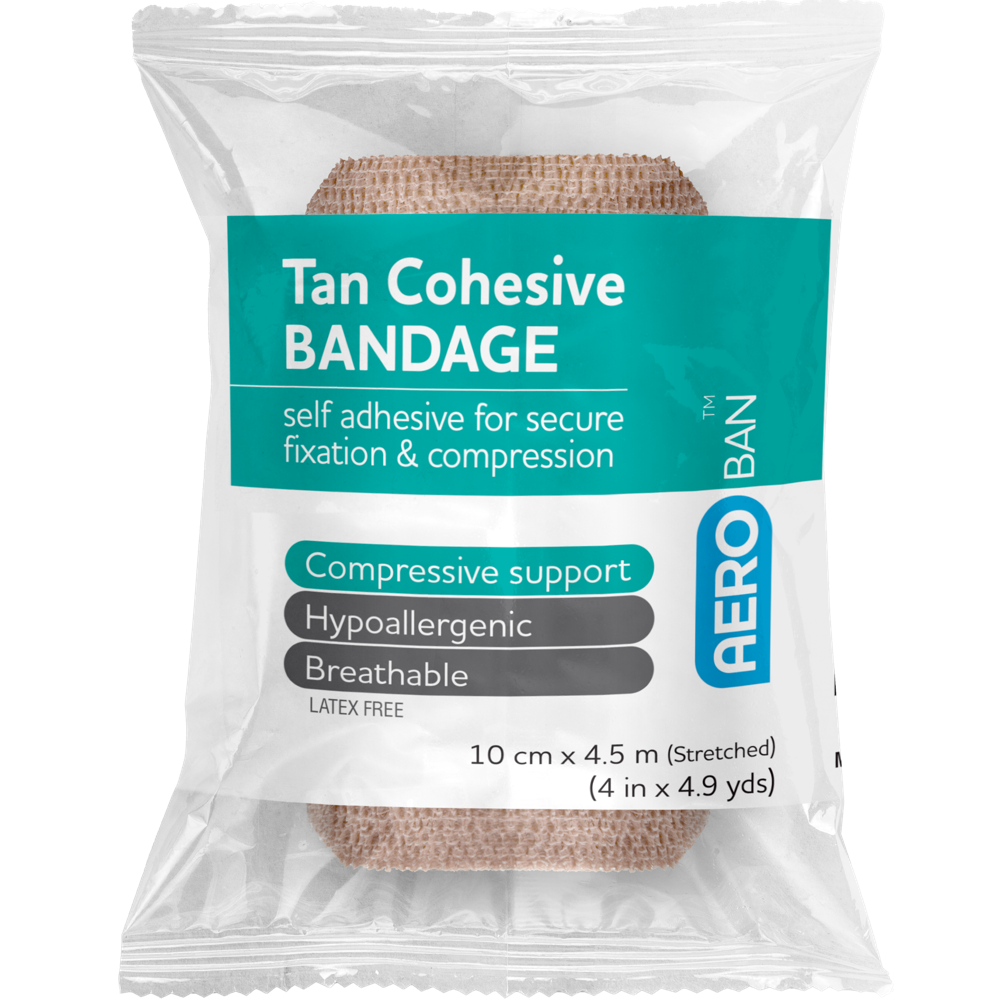
Store bandaging flat rather than crushed at the bottom of the kit, and check that the rolls still unwind cleanly before each trip. Stretched or sun-baked bandages lose their stretch, which is exactly what you need when wrapping a leg.
Pre-Made Kits vs DIY Assembly: Pros and Cons
Pre-made kits win on speed and completeness. A stocked kit arrives with the dressings, bandages, gloves and instruments already matched. The trade-off is that you may pay for items you never use.
DIY assembly gives you control over quantities and lets you tailor the kit to your horse. It also takes time, and it is easy to miss something small but critical, like a second pair of gloves or enough tape.
- Pre-made pros: complete on arrival, consistent contents, easier to audit and refill
- Pre-made cons: fixed contents, may include items you don't need
- DIY pros: tailored quantities, you know every item
- DIY cons: time-consuming, easy to overlook essentials, harder to restock consistently
A reasonable approach is to start with a pre-made kit as the base, then add horse-specific items such as extra padding and a spare halter.
How to Store a Horse First Aid Kit in a Float
Storage decides whether your kit is usable when you need it. Keep the kit in a sealed, waterproof case, strapped or wedged so it cannot slide, and positioned where you can reach it from the ramp without climbing past a tied horse.
Heat, dust and vibration are the three enemies. A hard plastic case protects contents from knocks and splashes, and a case with a secure latch will not spill dressings across the float floor on a rough road. Avoid storing the kit in direct sun or on a surface that gets hot.
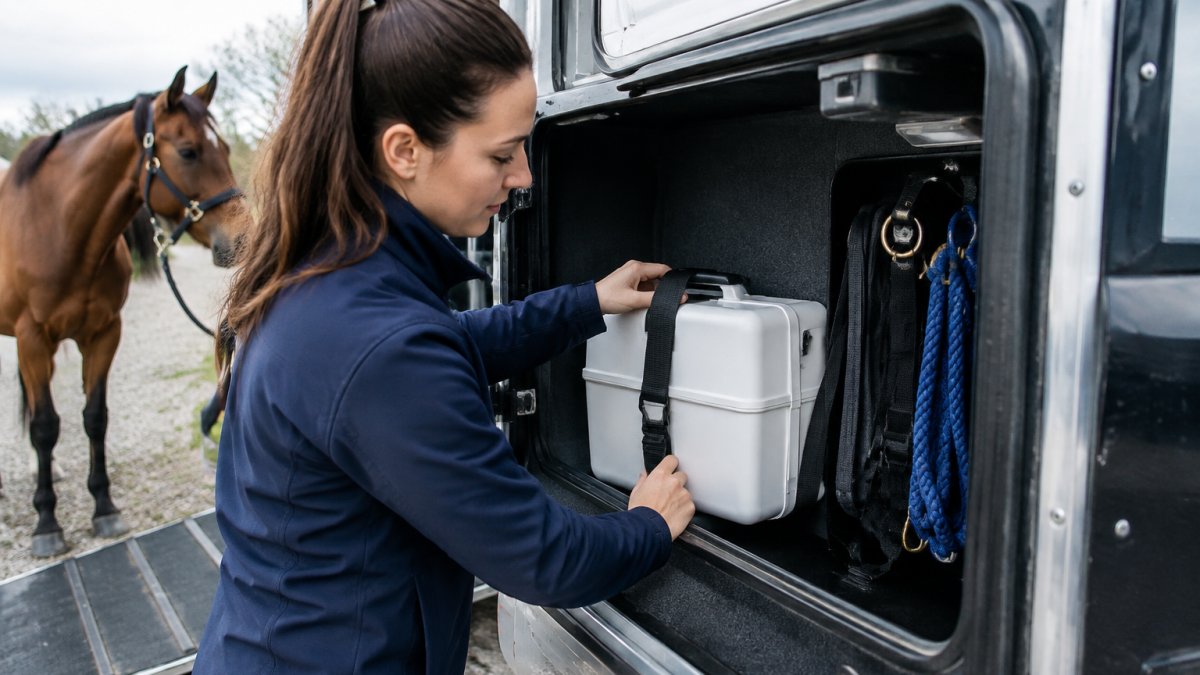
Float-specific storage that most guides skip. Where you mount the kit matters as much as what is in it. The front tack compartment or a dedicated bracket near the ramp is preferable to the floor, where dust and water pool.
Protecting temperature-sensitive items. Many antiseptics, saline and some topical treatments degrade in heat, and a float parked in the sun can reach temperatures well above ambient. Store liquids in a shaded compartment, and check labels for storage instructions. In cold conditions, liquids can freeze and split their containers, allow space in the case and inspect seals before each trip.
Access and movement. The kit should be reachable by one person standing at the ramp, without untying the horse or climbing into the float. Practise opening the case and finding gloves and a dressing by touch, because you may be doing it in the dark or in rain.
Float emergency planning beyond the kit. A first aid kit is only one part of roadside readiness. Carry a written emergency contact list, your vet, a nearby equine hospital, and a second contact, in a waterproof sleeve inside the case.
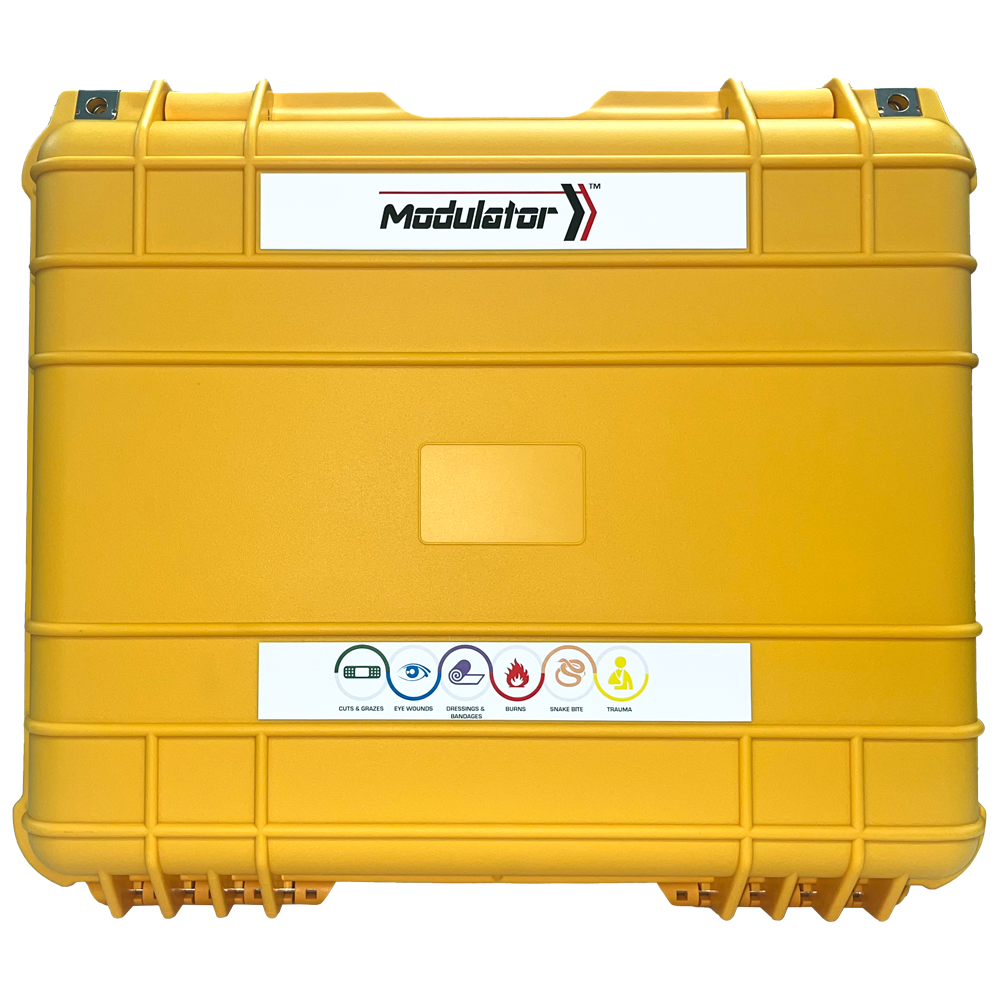
A waterproof tough case is a practical option for float storage. The MODULATOR Waterproof Tough First Aid Kit is built for harsh environments.
Equine First Aid Kit Expiry Checks and Replenishment
Expiry checks are the part everyone skips. Set a reminder for the first weekend of each month, open the kit, and check every dressing, wipe and solution against its date. Replace anything expired or opened, and note what you used.
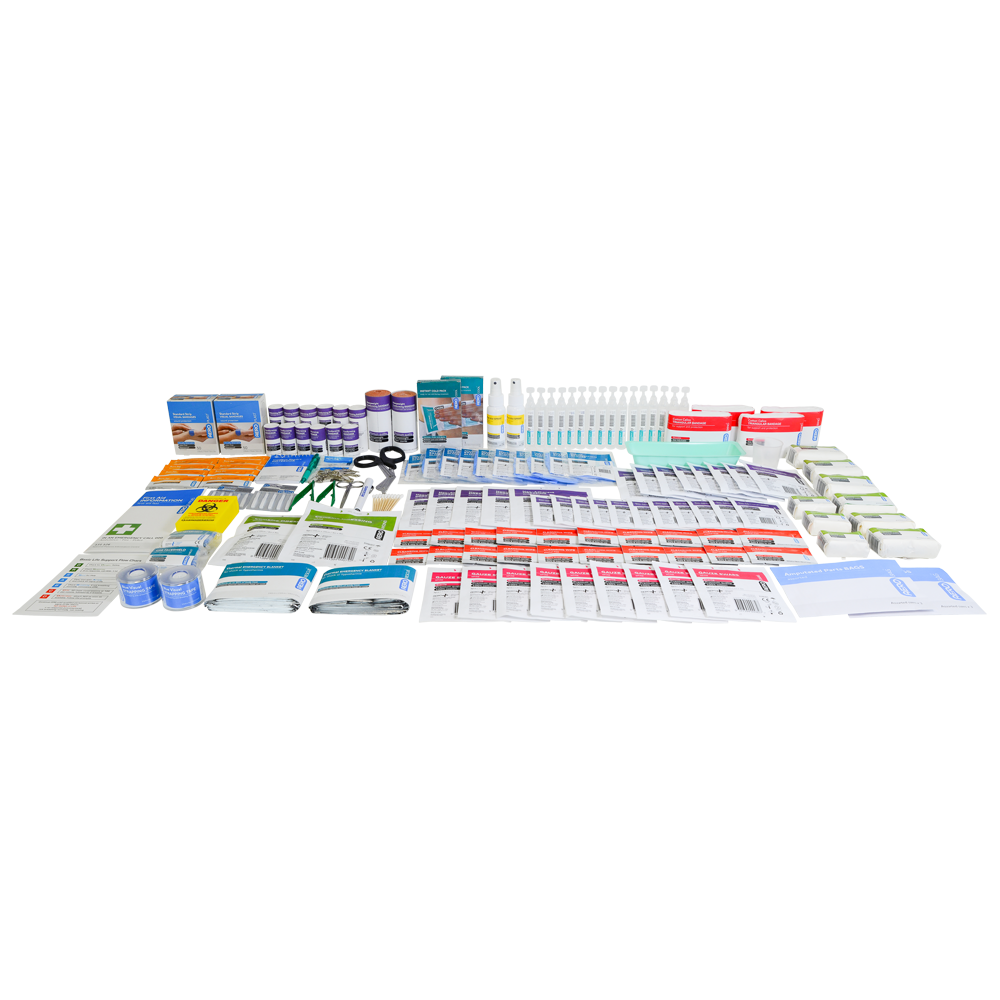
Replenishment should be immediate, not deferred. Once a dressing is used at the float, replace it before the next trip, or the kit quietly becomes incomplete. A refill pack keeps restocking simple, and a first aid kit refill covers the common consumables in one order.
Watch out: sterile dressings lose their sterility once the packaging is torn, even if the dressing is unused. If the seal is broken, replace it.
Basic First Aid vs Veterinary Treatment: Where to Draw the Line
First aid stabilises; it does not treat. Control bleeding, clean and cover a wound, keep the horse calm and immobilised, and call the vet. Anything involving a deep or contaminated wound, a puncture, lameness, colic signs, or bleeding you cannot stop with pressure needs veterinary attention.
For serious bleeding, a bleed control pack with haemostatic gauze is designed to control haemorrhage while you wait. The Rapidstop Medium Bleed Control Pack is the kind of item worth carrying if you travel long distances or ride in remote areas.
The clear boundary: you manage the first ten minutes, the vet manages the diagnosis. Do not give medications you have not been directed to give, and do not remove an object embedded in a wound.
Choosing Your Horse Float First Aid Kit
Choosing comes down to three questions: how far you travel, how many horses you carry, and how far you are from help. A short local trip needs a compact essentials kit; remote travel with limited vet access needs a comprehensive kit plus a bleed control pack.
Start with the checklist, buy a sealed waterproof case, and add supplies as your travel changes. If you are new to float kits, our guide to first aid kits for horse riders walks through the wider context before you buy.
A float kit only works if it is complete, in date and reachable. PFA Shop stocks waterproof first aid cases, refill packs and advanced bleed control supplies so you can build a kit that matches your travel. Browse our range of waterproof cases and refill packs, and get your float kit sorted before the next trip.
Frequently Asked Questions
What should be in a first aid kit for a horse float?
A horse float first aid kit should cover wound cleaning and bandaging first: sterile gauze squares, cotton wool, self-adhering bandage (vet wrap), stable bandages, padding, bandaging tape, scissors and antiseptic. Add gloves, a thermometer, a stethoscope, a headlamp, a hoof pick, fly spray and a spare halter for assessment and handling. Include a human first aid section too, since handlers get hurt as often as horses. Keep a written vet contact list and a small notebook to record time, symptoms and treatment.
Should a horse float first aid kit include supplies for human injuries?
Yes. Handlers are frequently injured during loading, tying up or handling a distressed horse, and help may be far away. Add a compact human section: adhesive plasters, sterile dressings, gloves, saline eye wash, burn gel and a space blanket. A small waterproof case such as the AEROKIT 2 Series Plastic Waterproof First Aid Kit (13 x 21 x 7.5cm, $40.25) works well as a dedicated human kit stored alongside the equine supplies, so neither gets raided for the other.
How often should I check and replace items in an equine first aid kit?
Check the kit before every trip and do a full audit every three months. At each audit, read expiry dates on antiseptics, saline, medications and sterile dressings, confirm bandage rolls still seal properly, and replace anything opened, damp or discoloured. Keep a laminated contents list inside the lid with dates written on it. The Surefill refill program on AeroKit cases lets you restock by pouch, which makes quarterly checks faster than unpacking every item individually.
Can I use a standard first aid kit for a horse?
A standard kit covers small human wounds but falls short for horses. It lacks the volume of gauze, padding and self-adhering bandage needed for a leg wound, and it has no hoof pick, thermometer or stethoscope. Use a standard kit as the human section and build a separate equine kit around bandaging and wound care. A waterproof case such as the DEFENDER 3 Series Plastic Waterproof First Aid Kit (25 x 8 x 17cm, $59.99) is suited to storing equine dressings and bandages.
