
Emergency Trauma Kit for Home: 7 Essential Options
Table of Contents
- Why Your Home Needs an Emergency Trauma Kit
- Quick Comparison: Trauma Kits by Price and Purpose
- First Aid Kit vs Trauma Kit: What's the Difference
- Severe Bleeding First Aid Supplies: What Actually Works
- Home Trauma Kit Checklist: Building Your Own
- Trauma Kit Expiry and Maintenance: Keeping It Ready
-
Top 7 Emergency Trauma Kits for Home
- 1. Large Red Softpack Trauma First Aid Kit: Comprehensive workplace and home protection
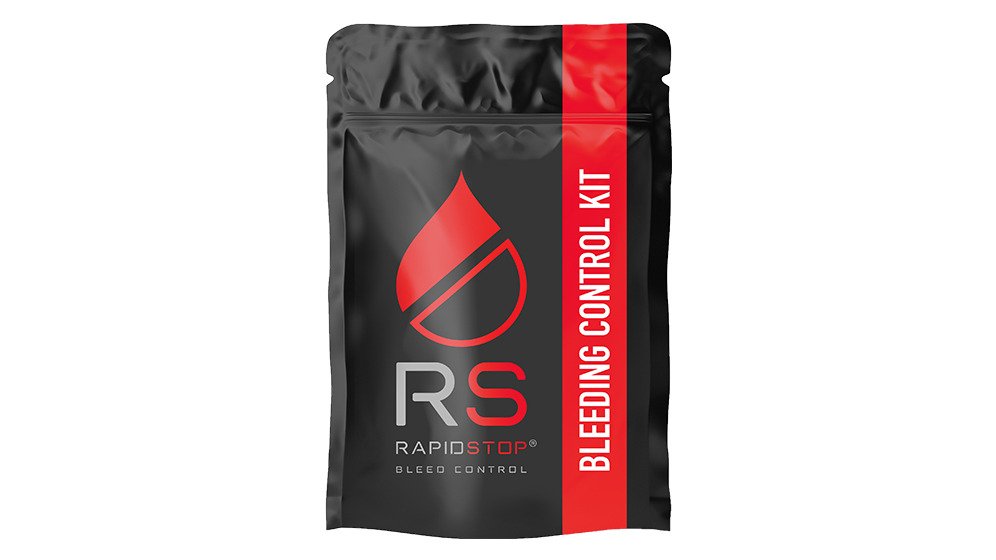
- 2. RAPIDSTOP Medium Bleed Control Pack with QuikClot: Fast severe bleeding response
- 3. RAPIDSTOP Medium Bleed Control Pack: Tourniquet-focused control without haemostatic gauze
- 4. C.A.T Tourniquet G7: Single-device limb occlusion for emergencies
- 5. RAPIDSTOP Civilian Tourniquet: One-hand application for self-aid or assisted care
- 6. AeroKit 2 Series First Aid Softpack: Portable everyday first aid with belt loop
- 7. AeroBurn Burns Kit: Rapid response for minor burns and scalds
- Training and Safe Use: Do You Need It
- Frequently Asked Questions
Last Updated: October 21, 2026
Why Your Home Needs an Emergency Trauma Kit
An emergency trauma kit for home is not a standard first aid box. It is purpose-built for severe bleeding and life-threatening injuries where professional help is minutes away.
Most households keep bandages and antiseptic, but few keep tourniquets, pressure dressings, or haemostatic gauze.
At PFA Shop, we've worked with families, construction crews, and remote workers across the region.
Quick Comparison: Trauma Kits by Price and Purpose
Kit Type |
Price |
Best For |
Key Contents |
|---|---|---|---|
Portable tourniquet kit |
$65-$90 |
Single-purpose limb control |
Tourniquet, gloves, marker |
Medium bleed control pack |
$140-$220 |
Vehicles, workplaces, home backup |
Tourniquet, pressure dressing, shears, gauze |
Comprehensive trauma kit |
$450 |
Primary home kit, workplace compliance |
Full range of supplies, larger case, high visibility |
Everyday first aid kit |
$30 |
Cuts, grazes, minor burns |
Bandages, dressings, burn gel, tweezers |
First Aid Kit vs Trauma Kit: What's the Difference
A first aid kit treats common injuries: cuts, grazes, minor burns, sprains.
A trauma kit addresses life-threatening bleeding and severe injury. It includes tourniquets, pressure dressings, haemostatic gauze, and chest seals.
The distinction: a first aid kit buys time before help arrives.
Your home should have both an emergency trauma kit for home and a standard first aid kit.
Severe Bleeding First Aid Supplies: What Actually Works
Severe bleeding stops one of three ways: direct pressure, a tourniquet, or a haemostatic dressing. When direct pressure fails, the other two become critical.
Tourniquets for rapid limb control
A tourniquet is a mechanical device that cuts off blood flow to an extremity. It's the fastest way to stop life-threatening limb bleeding when direct pressure fails.

Tourniquets compress the limb above the wound, occluding arteries and veins. Applied correctly, one stops bleeding in seconds; applied incorrectly, it causes tissue damage. Training matters.
The C.A.T Tourniquet G7 and RapidStop Civilian Tourniquet are both designed for one-handed application, which matters when you must apply it to yourself or while managing another casualty.
Pressure dressings and haemostatic gauze
A pressure dressing is a large, absorbent pad sized for serious bleeding, wrapped around the limb with enough tension to maintain pressure without cutting off circulation.
Haemostatic gauze contains a substance, often QuikClot, that accelerates clotting. The RapidStop Medium Bleed Control Pack with QuikClot includes both a tourniquet and haemostatic gauze: tourniquet first if the limb is at risk, then gauze for wound packing.
Chest seals for penetrating injuries
A chest seal is a thin, adhesive patch applied over a penetrating chest wound. It creates an airtight barrier, preventing air from entering the chest cavity and collapsing the lung (tension pneumothorax).
Chest seals are specialist items most home trauma kits don't include, since penetrating chest injuries are rare outside high-risk environments. If your household includes hunters, construction workers, or anyone working with machinery, add one.
Home Trauma Kit Checklist: Building Your Own
If you prefer to assemble a kit rather than buy pre-built, here's what belongs inside.
Essential items every household should have
- 1 tourniquet (C.A.T G7 or RapidStop Civilian), $65-$90
- 1 pressure dressing (10-15 cm wide, 2-3 metres long), $15-$25
- 1 haemostatic gauze pack (QuikClot or equivalent), $20-$35
Total: approximately $120-$180 for a basic assembled kit.
Optional additions for high-risk households
- Second tourniquet (for dual-limb injuries), $65-$90
- Chest seal (for penetrating thoracic trauma), $15-$25
- Burn gel dressing (for thermal injuries), $10-$15
High-risk households include those with construction workers, hunters, remote properties, or people with bleeding disorders. If your household fits that profile, add these items.
Trauma Kit Expiry and Maintenance: Keeping It Ready
A trauma kit is only useful if it works when you need it, so check it regularly.
Checking expiration dates and replacing supplies
Tourniquets and shears don't spoil, but dressings, gauze, and adhesive products do. Check every six months.
Look for:
- Dressing packages that are torn, damp, or discoloured
- Gauze that shows signs of moisture or mould
- Adhesive products (chest seals, burn dressings) that no longer stick
Replace anything questionable. A dressing you're unsure about might fail when you need it most.
Storage best practices for accessibility
Your trauma kit must be accessible. Keep it where everyone in your household knows about it; a locked safe in the garage is useless in an emergency.
Best locations:
- Kitchen (for burns and scalding injuries)
- Garage or workshop (for construction and machinery injuries)
- Bedroom (for accessibility during night emergencies)
Use a high-visibility case. Red softpack kits with reflective strips are easier to spot in a crisis. Label it clearly: "TRAUMA KIT - SEVERE BLEEDING."
Store in a cool, dry place. Extreme heat damages dressings and gauze. Moisture ruins adhesive products. A cupboard or drawer is fine.
Top 7 Emergency Trauma Kits for Home
1. Large Red Softpack Trauma First Aid Kit: Comprehensive workplace and home protection
Our top pick for households that want a complete, ready-to-deploy solution. The Large Red Softpack suits construction sites, vehicles, workplaces, and homes where preparedness matters.
At $449.99, it's an investment but comprehensive.
What works: It includes everything from tourniquets to burn care and eye wash, a full trauma response rather than a specialist bleed control pack.
What doesn't: At this price, it's overkill for a household wanting basic trauma coverage.
Large Red Softpack Trauma First Aid Kit 49 x 30 x 28.5cm →
2. RAPIDSTOP Medium Bleed Control Pack with QuikClot: Fast severe bleeding response
The RapidStop with QuikClot is purpose-built for controlling severe limb bleeding fast.
What works: The tourniquet and haemostatic gauze give you two tools in sequence, and QuikClot accelerates clotting when packing deep wounds.
What doesn't: It's focused on limb bleeding, so it doesn't address burns, eye injuries, or chest trauma, and there's no plasters, antiseptic, or burn gel.
3. RAPIDSTOP Medium Bleed Control Pack: Tourniquet-focused control without haemostatic gauze
At $139.99, this is the budget-conscious pick: the same RapidStop tourniquet kit minus the QuikClot gauze, with the tourniquet, trauma control bandage, shears, gloves, and marker.
What works: Price. At under $140, it's accessible for most households. The RapidStop tourniquet is reliable and intuitive. The trauma bandage provides backup pressure.
What doesn't: Without haemostatic gauze, you rely entirely on pressure and tourniquet, which limits you on deep wounds.
4. C.A.T Tourniquet G7: Single-device limb occlusion for emergencies
At $89.99, this is a single tourniquet, nothing else. The C.A.T G7 is one of the most widely used tourniquets globally.
The G7 features a 1.5-inch strap, one-handed application, hook-and-loop retention, and a red tip for low-light visibility.
What works: Simplicity. It does one thing well.
What doesn't: It's a tourniquet only, with no pressure dressing, gauze, or shears.
5. RAPIDSTOP Civilian Tourniquet: One-hand application for self-aid or assisted care
At $64.99, the RapidStop Civilian is a single tourniquet designed for rapid one-handed application.
The high-visibility orange colour makes it easy to spot. The low-profile design fits into kits, pouches, and vehicles without bulk.
What works: The mechanical advantage system is intuitive. Wide pull-strap, efficient ratcheting, reliable occlusion.
What doesn't: Like the C.A.T G7, it's a tourniquet only, with no supporting supplies.
6. AeroKit 2 Series First Aid Softpack: Portable everyday first aid with belt loop
At $29.99, the AeroKit 2 is not a trauma kit but a comprehensive everyday first aid kit.
The AeroKit 2 includes dressings, bandages, trauma supplies, eye care items, and burn gel.
What works: Price and portability.
What doesn't: It's not a trauma kit, with no tourniquet, haemostatic gauze, or chest seal. It handles cuts, grazes, minor burns, and eye injuries.
7. AeroBurn Burns Kit: Rapid response for minor burns and scalds
At $12.99, the AeroBurn is a single-purpose burns kit with cooling burn gel dressing, gel sachets, and a conforming bandage.
What works: Purpose-built burn care at a low price. The cooling effect provides immediate comfort. The compact format fits anywhere.
What doesn't: It's for minor burns only. Severe thermal injuries require hospital care, not a gel dressing.
Training and Safe Use: Do You Need It
Owning a trauma kit is not the same as knowing how to use it. A tourniquet applied incorrectly can cause permanent tissue damage.
If your household includes people who work in high-risk environments, construction, manufacturing, emergency services, or remote locations, training is essential.
For a household with no high-risk occupations, basic knowledge is enough. Watch a video, read the instructions on each item, and know where your kit is and what's inside.
Frequently Asked Questions
What should be in a home emergency trauma kit?
A basic home emergency trauma kit should include tourniquets for severe limb bleeding, pressure dressings or haemostatic gauze for wound packing, trauma bandages, sterile gloves, shears to cut clothing, and a marker for noting time of application. The Large Red Softpack Trauma First Aid Kit (AUD $449.99) includes all these essentials, or you can build a tiered kit starting with the RAPIDSTOP Medium Bleed Control Pack (AUD $139.99) as your foundation and add items like the AeroBurn Burns Kit (AUD $12.99) for common household injuries.
What is the difference between a first aid kit and a trauma kit?
A first aid kit handles minor injuries such as cuts, grazes, and small burns with plasters, bandages, and antiseptic. A trauma kit is designed for life-threatening emergencies like severe bleeding or penetrating injuries, featuring tourniquets, haemostatic gauze, and pressure dressings. The AeroKit 2 Series (AUD $29.99) is a portable first aid kit for everyday use, whilst the RAPIDSTOP bleed control packs (AUD $139.99–$219.99) are trauma-focused tools for major haemorrhage control.
Should a home trauma kit include a tourniquet?
Yes. A tourniquet is one of the most effective tools for controlling severe bleeding on arms or legs when direct pressure alone fails. The C.A.T Tourniquet G7 (AUD $89.99) and RAPIDSTOP Civilian Tourniquet (AUD $64.99) are both designed for rapid one-hand application. Many pre-built kits like the RAPIDSTOP Medium Bleed Control Packs include tourniquets as standard, making them ideal for households wanting immediate access to severe bleeding control.
How often should you check and maintain a home trauma kit?
Check your trauma kit every 6 months and after any use. Inspect items for damage, verify that nothing has expired, and replace any opened or used supplies immediately. Haemostatic gauze, tourniquets, and dressings have shelf lives; note these dates on your kit. Store your kit in a cool, dry place away from direct sunlight. Many households keep a checklist inside the kit to track maintenance dates and ensure supplies stay current and accessible.
Do you need training to use trauma kit supplies like tourniquets?
Training is highly recommended, particularly for tourniquets and haemostatic gauze. Incorrect tourniquet placement or pressure can cause tissue damage. Many suppliers and first aid organisations offer short courses on severe bleeding control and trauma response. At minimum, read the instructions on each product carefully and familiarise yourself with the kit's contents before an emergency occurs. This preparation significantly improves your confidence and response time when seconds matter.
Severe bleeding and traumatic injury demand preparation. A trauma kit for home is not panic buying; it's the difference between a controlled response and chaos. PFA Shop stocks comprehensive trauma kits, individual tourniquets, and haemostatic supplies built for real emergencies. Start with one of the kits listed above, or assemble your own using the checklist provided. Check it twice a year. Know where it is. Your household's safety depends on it.